
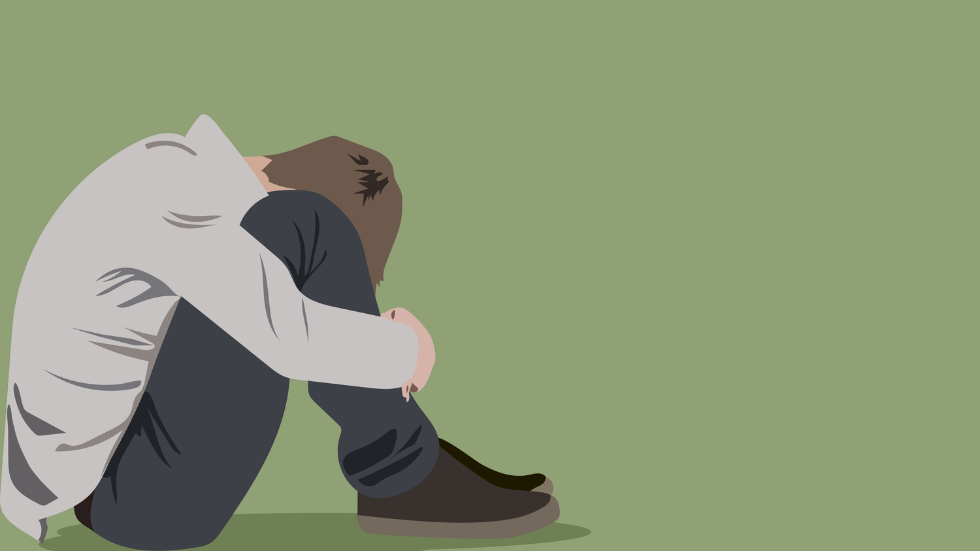
If you’ve ever sat on a sun-drenched terraza in Southern Spain, surrounded by good food, blue skies and people you love, yet felt completely flat inside, you already understand one of depression’s cruelest tricks: it can make paradise feel irrelevant.
When an antidepressant doesn’t work, the disappointment can be profound. After a second, third or even fourth unsuccessful treatment, people can understandably begin to wonder whether they are the problem—or whether they will ever feel like themselves again.
They are not the problem. And there may be more options than they realise.
When Depression Doesn’t Respond
Doctors generally use the term treatment-resistant depression when someone has not achieved adequate improvement after trying at least two antidepressants at appropriate doses and for sufficient periods. It is surprisingly common.
Depression, unfortunately, did not read the instruction manual. Its biology is complex, and several factors can influence how someone responds to treatment. Thyroid disorders, nutritional deficiencies, chronic medical conditions, anxiety and sleep apnea can all contribute to depressive symptoms or make them harder to treat. Genetics can influence both the illness itself and the way an individual responds to medication. A history of trauma or prolonged stress can also affect the brain’s stress-response systems.
There is another factor that deserves more compassion: repeated disappointment. After several treatments have failed, it is perfectly reasonable to approach the next one with a degree of scepticism. When hope has been repeatedly asked to show up and repeatedly let you down, enthusiasm is not exactly going to arrive wearing a party hat.
But treatment-resistant does not mean untreatable. It means the usual approach has not been sufficient.
Expanding the Medical Toolkit
When conventional antidepressants are not providing enough relief, there are several evidence-based treatments worth discussing with a psychiatrist.
One option is augmentation therapy, in which another medication is added to an existing antidepressant. In carefully selected patients, treatments such as lithium or certain atypical antipsychotics can enhance the effects of standard antidepressant treatment.
Transcranial magnetic stimulation (TMS) offers another avenue. This non-invasive treatment uses targeted magnetic pulses to stimulate areas of the brain involved in mood regulation. For people who have not responded adequately to medication, TMS can provide a meaningful alternative.
Then there is ketamine and esketamine, which have introduced an entirely different approach to treating depression. Esketamine, administered as a nasal spray under medical supervision, can produce relatively rapid improvement in some people with treatment-resistant depression. Researchers are also investigating other treatments that may promote neuroplasticity, including psychedelic-assisted therapies.
For some people, the change can be surprisingly subtle at first. The crushing heaviness may begin to loosen. The constant negative filter may become slightly less intense. Getting out of bed may require a little less negotiation. An activity that once seemed pointless may become mildly interesting again.
These moments can be easy to dismiss because they are not dramatic. But recovery rarely arrives with a brass band. Sometimes it simply creates a little more room for life.
Treating the Whole Person
Medical treatment works best when it is accompanied by attention to the rest of life. Sleep, physical activity, nutrition, relationships, psychotherapy and meaningful engagement all matter.
I often ask patients, “What are your plans for the weekend?”
It sounds almost absurdly ordinary. But making plans, leaving the house, seeing someone you trust, moving your body or reconnecting with something that once brought meaning can all become part of the recovery process. They are not substitutes for medical treatment; they can help support it.
If your depression has resisted treatment, please do not interpret that as a personal failure. Depression is an illness, not a character assessment.
Sometimes recovery requires persistence. Sometimes it requires a different treatment. And sometimes it requires both.
You may not need to try harder. You may simply need a different path.
This article was written by Dr. P. A. Anthony, Clinica Santa Cecilia Medical Director and General Practitioner. Call us today at +34 95 252 1024 to set up your appointment with Dr. Anthony.